




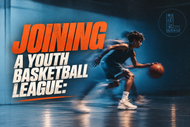
Joining a Youth Basketball League: Gear, Prep & What to Expect
5th Oct 2026
Basketball season is here, and whether you're lacing up for your first season ever, coming back after time away, or just making sure your kid is set for another year, a little preparation goes a long way. This guide covers the gear that actually matters, what to expect once practices start, and a few things that are easy to overlook, useful whether you're playing in BMBB (Bellmore-Merrick Basketball League), a school program, an adult rec league, or anywhere else this season.
The Gear That Actually Matters
Properly fitted basketball shoes. This is the single most important piece of equipment, and it matters at any skill level. Basketball involves constant stopping, cutting, and jumping — a loose or poorly fitted shoe leads to blisters, rolled ankles, or just not being able to move at full speed. A few things to check:
- True to size, snug in the heel — not extra room to "grow into"
- High-top or mid-top for added ankle support, especially helpful for younger players or anyone coming back after an injury or time off
- Break them in before the season starts — brand-new shoes straight out of the box can cause blisters fast, even on an experienced player
Shop basketball shoes by size and fit here.
Basketball socks. Easy to overlook, but thin, everyday socks can bunch up or slide inside a shoe during quick cuts, adding to blister risk. Cushioned athletic socks built for court sports make a noticeable difference over a full season. Shop socks.
The right size ball for practicing at home. Ball size is standardized by age and gender — not one-size-fits-all. For younger players, a full adult-size ball is often too big and can actually teach bad shooting habits that are hard to correct later. Check your league's size chart if you're buying one for home practice. Browse basketballs and gear.
A labeled water bottle. Gyms get warm fast, and staying hydrated affects stamina more than most people expect, especially during a long practice or back-to-back games. An insulated bottle keeps water cold through a full session. Shop water bottles.
A dedicated gym bag or backpack. Keeps shoes, a water bottle, and any extra layers organized and easy to grab on practice days — especially useful once the season is in full swing and schedules get busy. Shop backpacks.
Compression gear for recovery. Not essential on day one, but worth having as the season picks up — compression shorts or sleeves help with muscle recovery between back-to-back practices or games, which matters at any age or experience level. Shop compression & support gear here.
What to Expect Once the Season Starts
Early practices usually focus heavily on fundamentals — dribbling, passing, basic positioning — before building into full scrimmages or games. This is true even for players with past experience; coaches and teams are building a shared foundation before adding complexity.
It's completely normal to feel a little rusty or out of sync in the first couple of weeks, whether it's a first season ever or a return after time off. That almost always smooths out quickly once players settle into the rhythm of practice.
A Few Things That Make the Season Go Smoother
- Stay consistent early on. Missing the first few practices or games makes it harder to catch up on both skills and team chemistry.
- Focus on effort over results in the early weeks. Performance in the first few sessions matters far less than building comfort and confidence.
- If you're a parent, let the coach coach. It's tempting to call out instructions from the sideline, especially if you know the game, but it can add pressure and work against what the coach is building.
- Build in a short warm-up before each session. A few minutes of light movement beforehand helps prevent the kind of early-game stiffness that leads to minor strains.
Frequently Asked Questions
Do basketball shoes really need to be broken in, even for experienced players?
Yes — any brand-new shoe can cause blisters in the first real session, regardless of experience level. Wear them around for at least a few days beforehand.
What size basketball should I use for practicing at home?
This depends on age and gender for youth players, and is more standardized for teens and adults. Check your specific league's size chart before buying.
Is there a basketball option for adults with little or no experience?
Yes — most towns and rec centers run adult leagues with multiple skill divisions, including beginner-friendly options. Check your local parks and recreation department for what's available nearby.
What age can a kid start playing organized basketball?
Most youth leagues, including BMBB, offer divisions starting around age 5-6, with instructional options for the youngest players before more competitive play begins later.
Is it normal to feel out of shape or rusty at the start of a season?
Completely normal, at any age or experience level — conditioning and game rhythm build back quickly with a few consistent weeks of practice.
How to Join BMBB ?
Looking for youth basketball on Long Island’s South Shore? Bellmore-Merrick Basketball (BMBB) offers organized basketball programs for boys and girls across multiple grade levels, giving young players the opportunity to learn the game, build skills, and compete in a local league. Whether your child is just getting started or has played before, BMBB offers programs for different ages and experience levels.
To get started, parents can visit the BMBB registration portal, create an account, select the appropriate program for their child, and complete the registration process.
Ready to sign up?
Register for BMBB
Program availability, grade divisions, and registration details can vary by season, so check the BMBB registration portal for the most current information.